Framer websites
Framer website design.
Framer website design for B2B SaaS: message-led homepages and landing pages your marketing team can edit and publish without a developer.
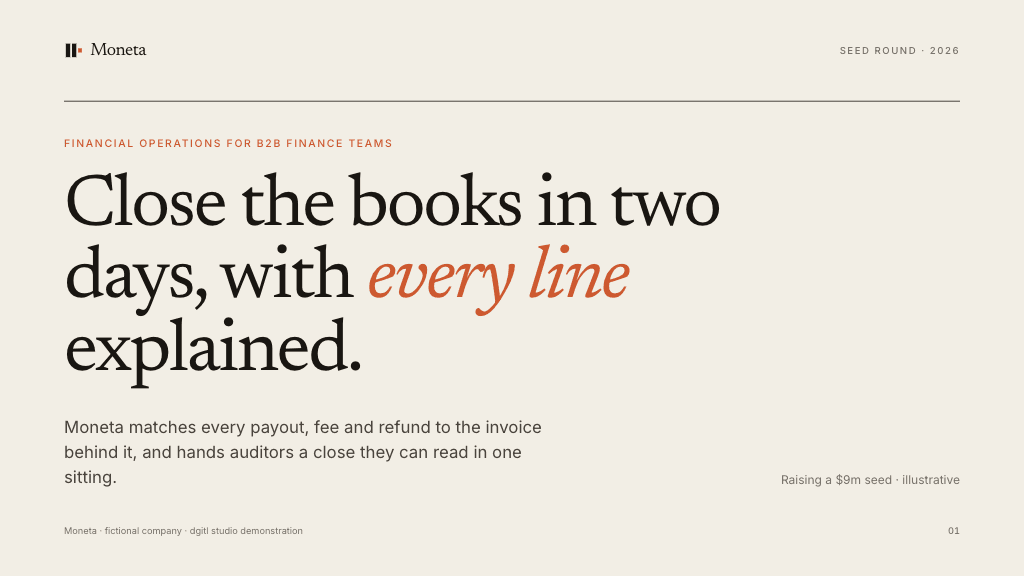
Four things, done properly.
- 01Message hierarchy, hero to CTA
- 02Desktop and mobile page design
- 03Built in Framer and handed over
- 04Reusable sections for the next launch
How it works with us
- Fixed quote, agreed up frontThe price in your proposal is what you pay, unless the scope changes.
- Proposal within 48 hoursSend a brief async. No discovery call needed.
- Two review rounds per milestoneFeedback in Figma or Loom, on your schedule.
- You own the sourceEditable files, or the repo, at handover.
What it looks like.
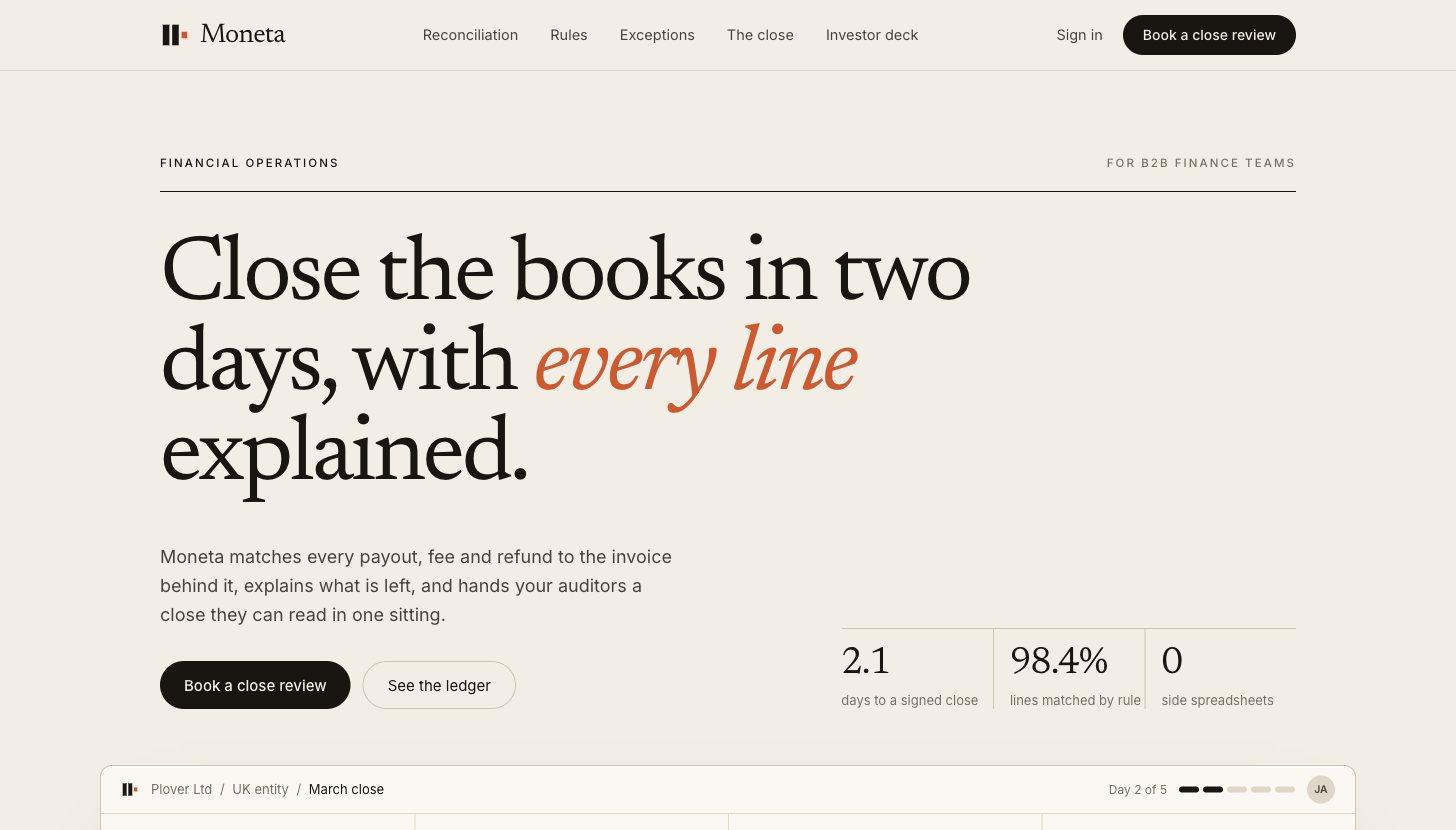
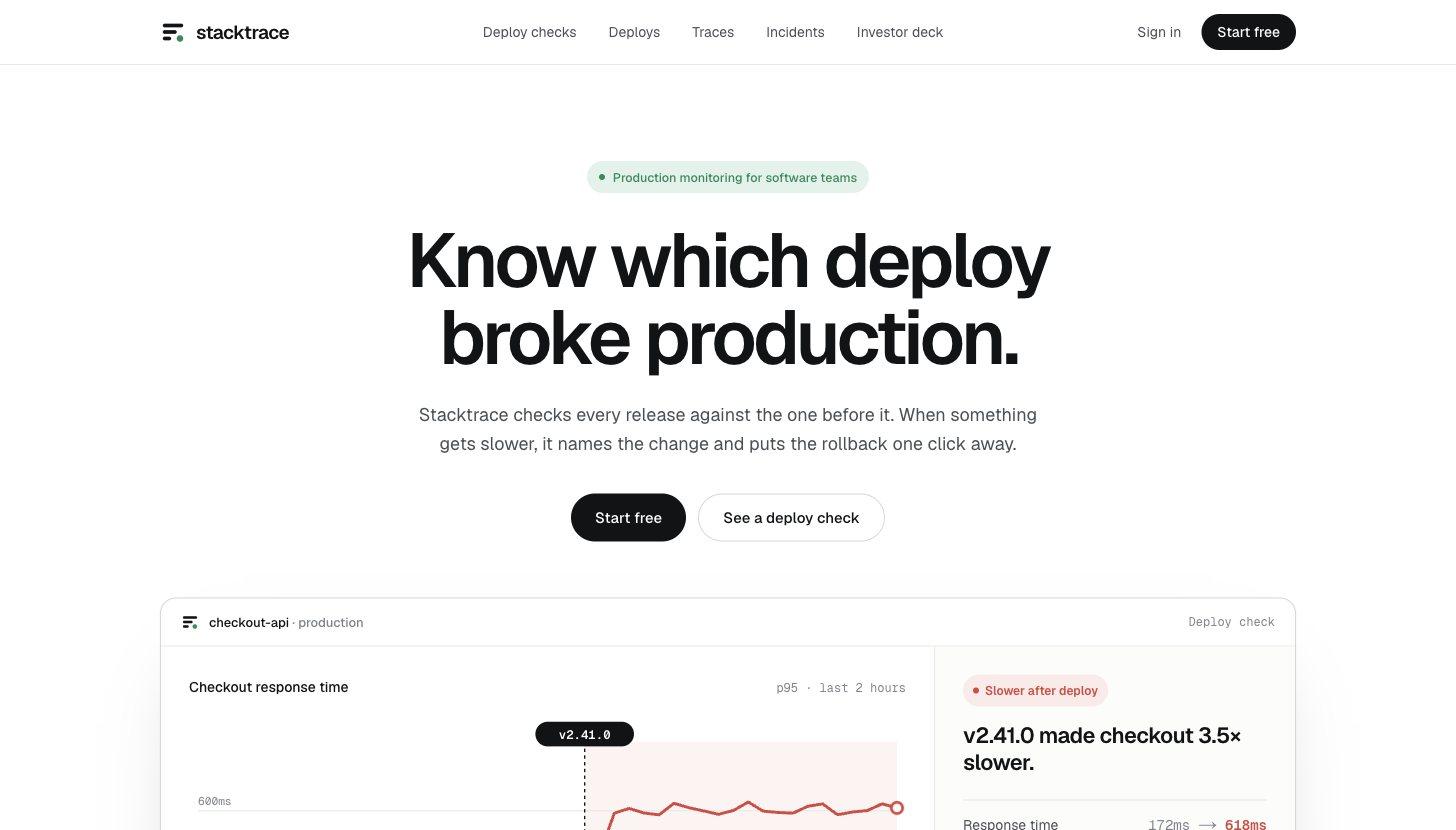
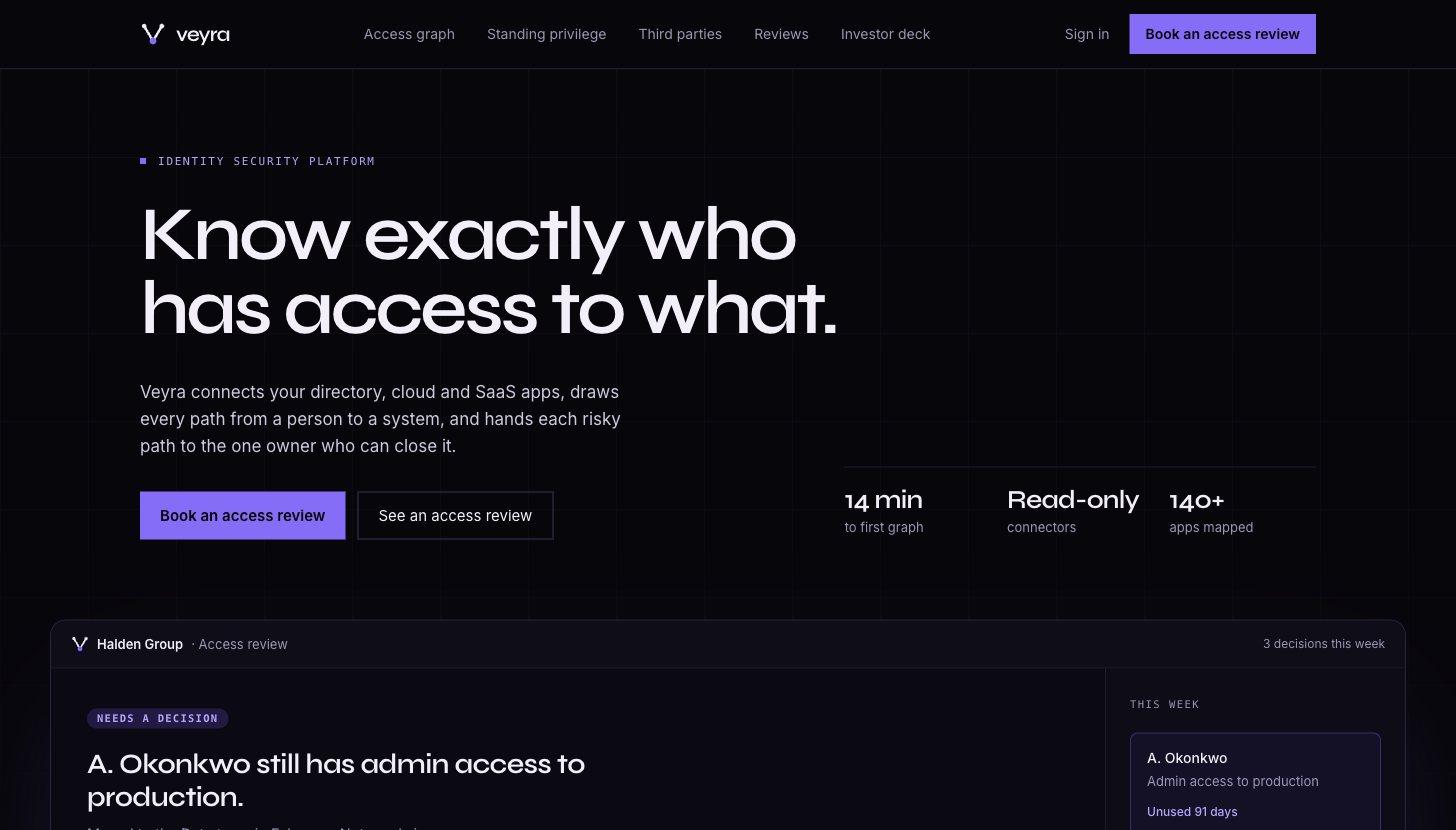
Sample brands we designed to show the work. Client work is shared on request.
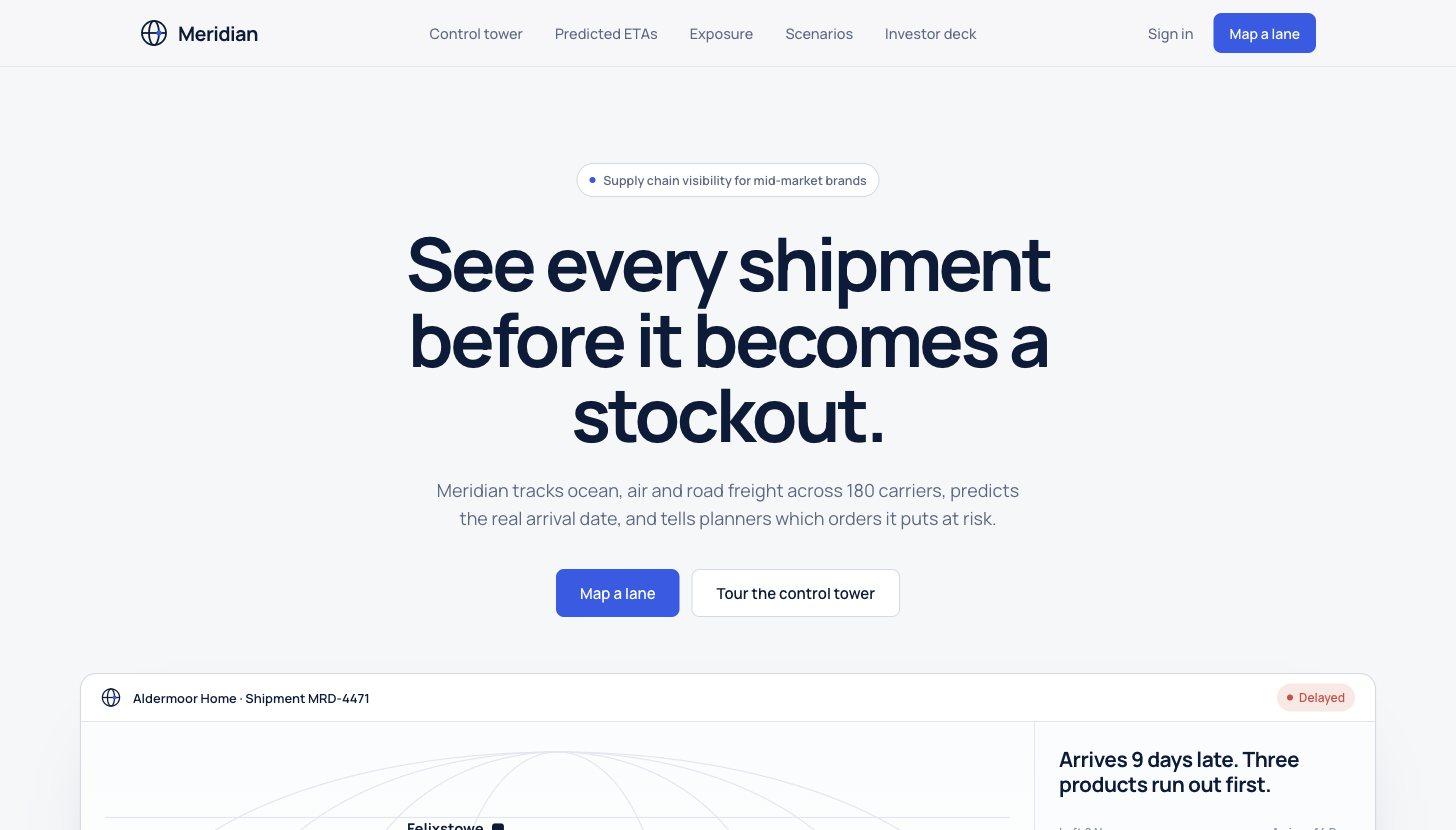
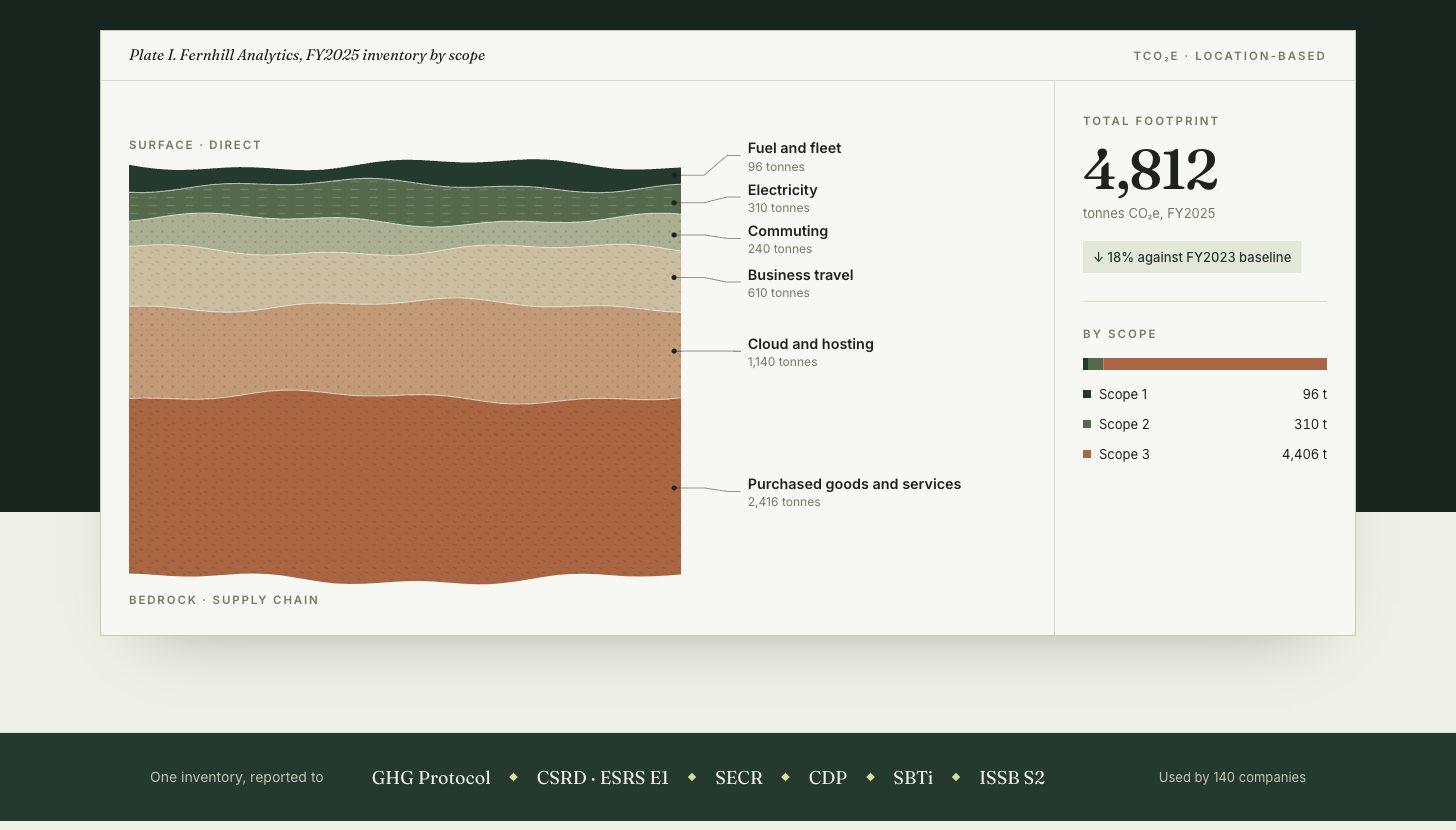
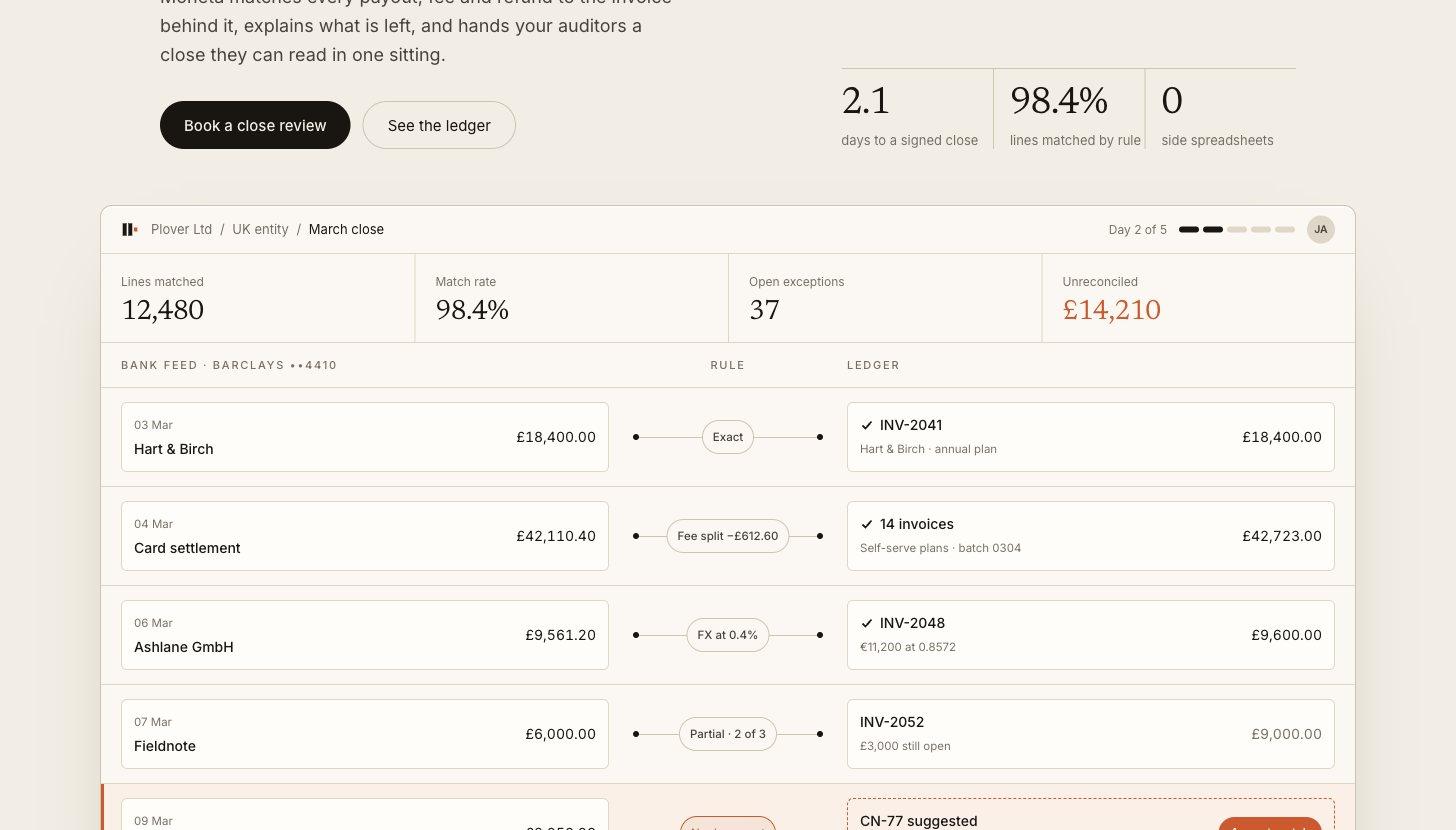
Homepages built the way Framer-led sites read.
Annotated breakdowns of real SaaS websites, with sourced figures, first-screen scores and how to borrow each idea at your stage.
- Nº 02 · FramerCategory leader
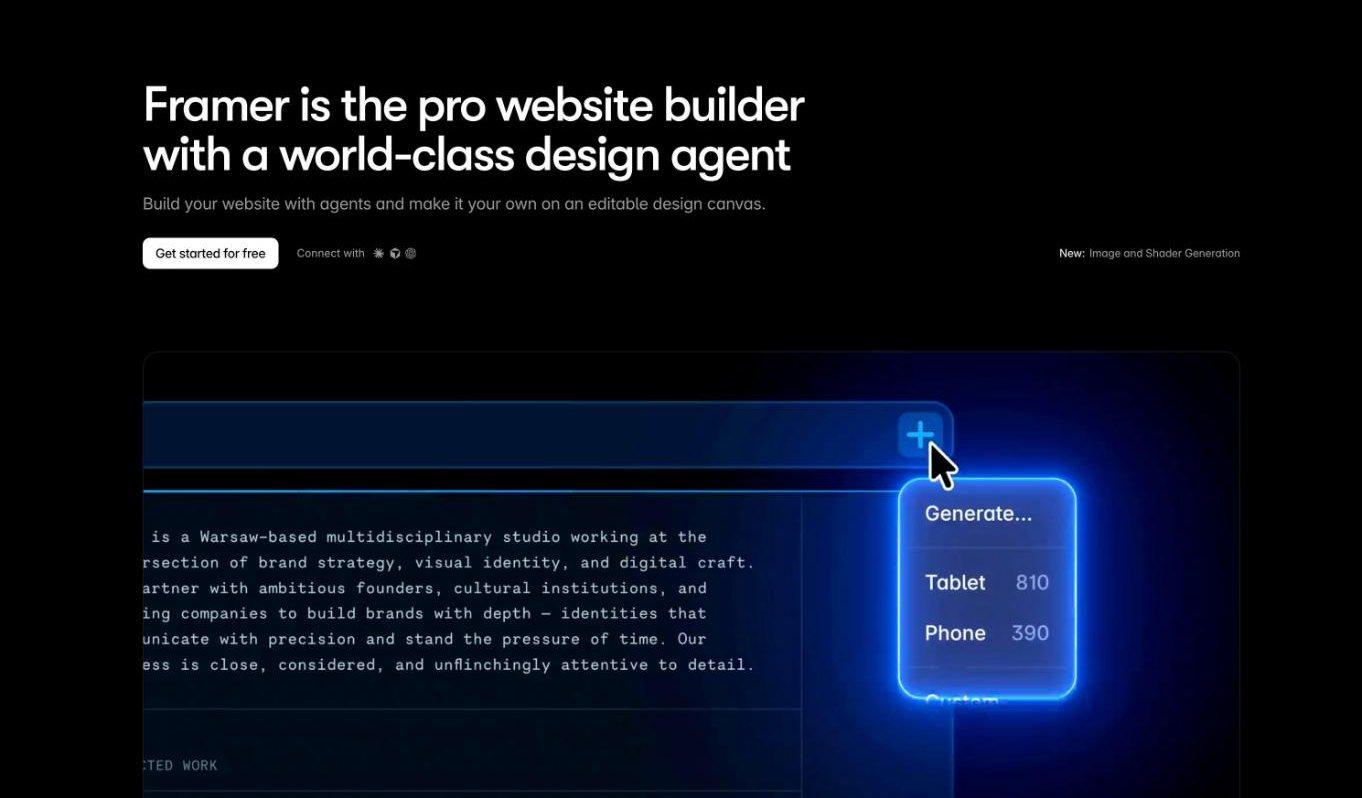 Series D · $2B valuationScorecard 99/100
Framer is valued at $2B. Its homepage is a working demo of the product.
How Framer turns its homepage into the editor itself: a headline that picks its audience, an agent working on a real site, and a three-step story that answers the biggest objection to AI site builders.
Read the teardown - Nº 01 · LinearCategory leader
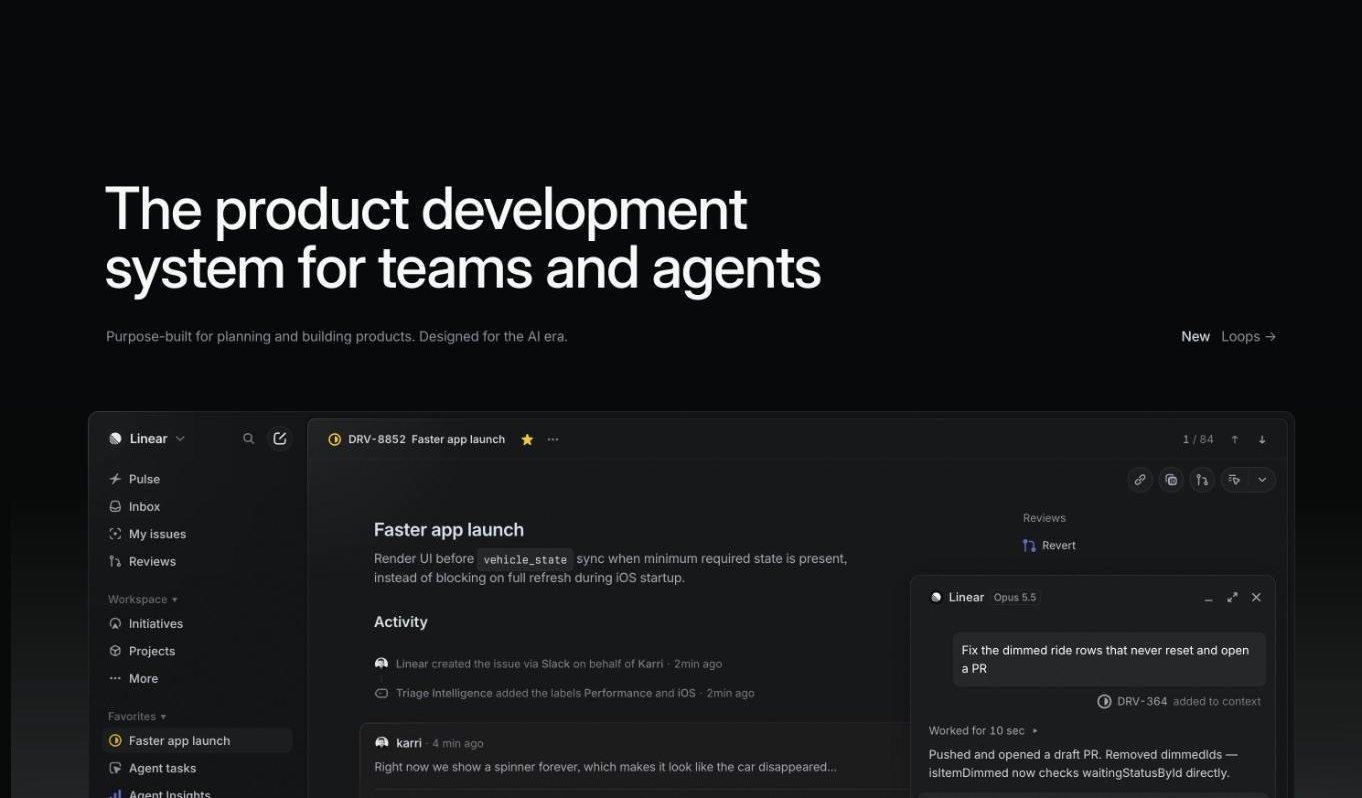 Series C · $1.25B valuationScorecard 85/100
Linear raised at a $1.25B valuation. Its homepage lets the product do the talking.
How Linear sells a product development tool to some of the fussiest buyers there are: a one-line category claim, the real app as the hero, and features shown inside the conversations teams already have.
Read the teardown - Nº 08 · GranolaCategory leader
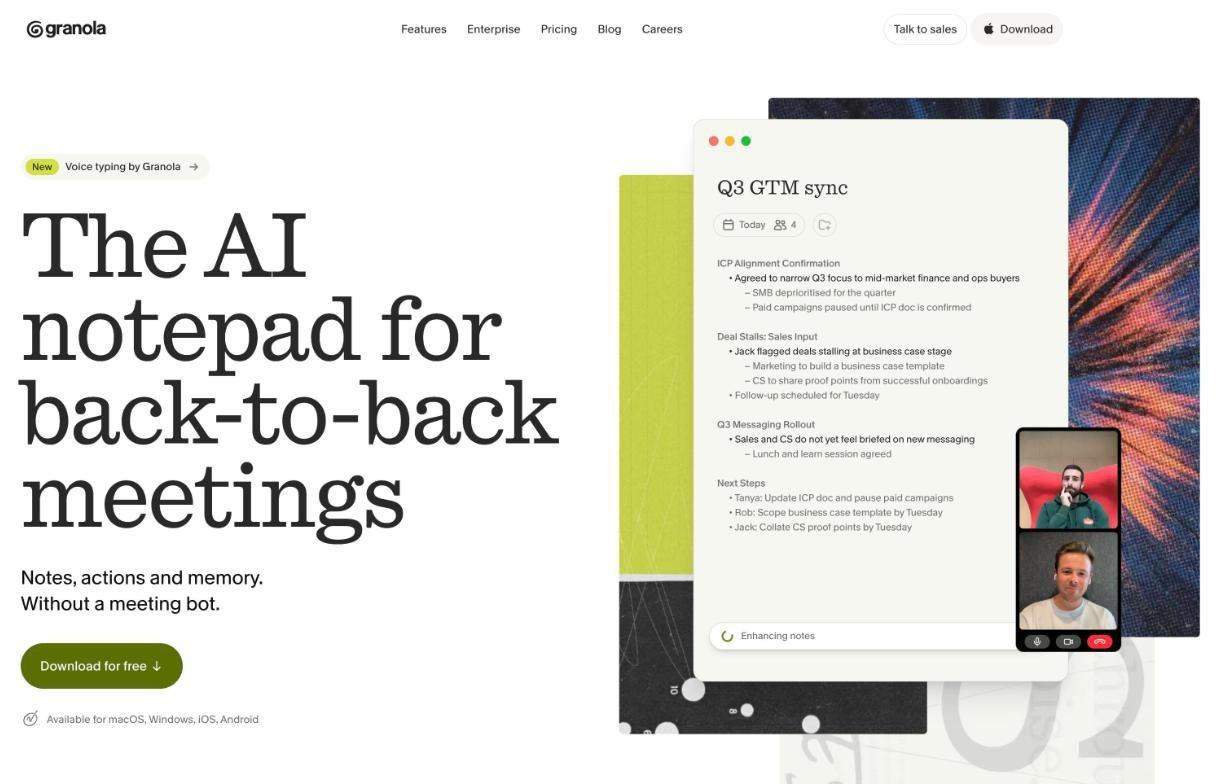 Series C · $1.5B valuationScorecard 87/100
Granola is valued at $1.5B. Its homepage answers the biggest objection in the subhead.
How Granola sells an AI notetaker: a headline that names the moment, “Without a meeting bot” in the subhead, the objection turned into a section, and proof from an App Store rating and founders people know.
Read the teardown
The problem we solve.
For SaaS teams that want a credible marketing site without locking every copy change behind engineering. Framer suits most early and growth-stage marketing sites: marketers can edit pages, add sections and publish themselves.
We still start with the message. Framer is the build tool, not the strategy. When the site needs custom product logic, deep integrations or to live in your own codebase, we recommend Next.js instead — and say so before you brief.
Our Framer vs Webflow vs Next.js guide covers when each platform fits. Website pricing ranges sit on the website design cost and pricing pages.
Typical timelines
- Single landing page
- 1–2 weeks
- Homepage refresh
- 1–2 weeks
- Marketing site (4–6 pages)
- 2–4 weeks
Framer sites are quoted like our other website work, with a fixed quote in writing before design starts. See published ranges and what drives them. What does a website cost?
Brief to handover in three steps.
- 1
Message first
We agree the headline, proof and single call to action in writing before any layout.
- 2
Design the page
Desktop and mobile layouts with real product visuals, reviewed async in Figma.
- 3
Build in Framer
Built in Framer, previewed, then live on your domain. You own the project.
A Framer site that explains the product in the first scroll, and that marketing can keep shipping.
Before you brief this.
What is Framer website design?
Designing and building a marketing site in Framer: message and layout first, then a live Framer project your team can edit visually and publish without a developer.
When is Framer the right choice?
Most early-stage SaaS marketing sites and landing pages. Choose Next.js when you need custom tools, deep product integrations or the site in your own repo. Webflow suits large content-heavy structures. Our Framer vs Webflow vs Next.js guide compares them.
Can our team edit the Framer site after launch?
Yes. Marketers can change copy, add pages and publish in Framer without waiting on a developer. You own the Framer project at handover.
Do you only build in Framer?
No. We also build in Next.js when that fits. This page is for buyers who already want Framer website design; the wider website offer covers both.
Do we need live calls?
dgitl is async-first. Slack checkpoints, a written workspace, and Loom at milestones. Live conversations are reserved for blocks that cannot move forward in writing.
Do you work with US teams across time zones?
Yes. We're based in the UK and work async with B2B SaaS teams across the UK, Europe and the US. Briefs and feedback run in writing and Loom, so another time zone rarely needs a live call slot.
Which currency are quotes in?
We invoice in GBP, USD or EUR. The studio is UK-based and VAT-registered. The fixed quote in your proposal is what you pay unless the scope changes.
How do revisions and handover work?
Each milestone includes two review rounds, with feedback in Figma or Loom. At handover you own the editable source: Figma, Keynote, PowerPoint or Google Slides for decks, and the Framer project or code repository for websites.
What do we need to provide to start?
A short async brief is enough: who has to be convinced, the decision you need, the proof you have, constraints and what done looks like. Send it through the start page; we reply with a scoped proposal and fixed quote within 48 hours. No discovery call is required.